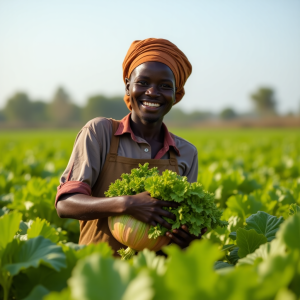

Globally, girls are especially disadvantaged–right now, 130 million girls are not in school worldwide, and millions more face barriers to staying in school. Yet we know that when girls are educated, their families are healthier, they have fewer children, they get married later, and they have more opportunities to generate income.
Yes, women and girls are one of these groups. About one-third of countries in the developing regions have not achieved gender parity in primary education. In sub-Saharan Africa, Oceania and Western Asia, girls still face barriers to entering both primary and secondary school. These disadvantages in education also translate into lack of access to skills and limited opportunities in the labor market for young women.
In Southern Asia and sub-Saharan Africa, more poor boys than poor girls completed lower and upper secondary education. In low-income countries, just 2 per cent of the poorest girls and 3 per cent of the poorest boys completed upper secondary education. In contrast, in Eastern and Southeastern Asia and in Latin America and the Caribbean, more poor girls than poor boys complete lower and upper secondary education, although this has not translated into more young women accessing decent jobs in these regions.
FACTS:
- In Southern Asia and sub-Saharan Africa, more poor boys than poor girls completed lower and upper secondary education. In low-income countries, just 2 per cent of the poorest girls and 3 per cent of the poorest boys completed upper secondary education. In contrast, in Eastern and Southeastern Asia and in Latin America and the Caribbean, more poor girls than poor boys complete lower and upper secondary education, although this has not translated into more young women accessing decent jobs in these regions.
- Once a girl (not in education) becomes economically inactive, she tends to remain there. One third of currently economically inactive female youth (33 per cent) had no prior work experience, indicating they moved directly into economic inactivity, compared to just 18 per cent of currently economically inactive non-student male youth.
- For adolescents aged 15–19 years, a period when youth should be in education or training, the NEET rate is 1.5 times higher for girls than boys (at 17 per cent and 11 per cent, respectively). This represents a gender gap of 6 percentage points. The gender gap jumps significantly to 27 percentage points for young adults aged 25–29, when the female and male NEET rates are 44 per cent and 17 per cent, respectively. Most of this disparity is driven by the strong female bias among economically inactive non-student youth.
- Globally, less than half of girls aged 15-19 are in school. Many of those that are in school are over-age for their grade and will not complete their secondary education. Even for those that are able to access learning opportunities, poor quality teaching and unsafe learning environments can prevent girls from developing the knowledge and skills they need to access employment or entrepreneurship opportunities.
10. - The world today is home to1.1 billion girls under age 18. More than half of them live in Asia and a quarter live in Africa.
- Nearly nine in 10 girls today live in low- and middle-income countries – a pattern that is expected to continue through 2030.
WHAT WE MUST DO:
- We must work to close the gap between the education of girls nd boys.
- We must embark on outreach programs, encourage parents to allow their daughters go to school.
- We must bring awareness to the community educating them on the importance of training the girl child.
- We must address the issue of poverty which is a driving force in the non education of the girl child which also forces the girl into early marriage.
- We must push to influence government policies on education